Many recreational cyclists ride regularly and feel that their training is fairly sensible. Still, there are moments when something feels off. A familiar ride suddenly feels harder than before. Or after a full week of training, you are left wondering whether the training actually improved your fitness, or if you simply worked hard in the wrong places.
This experience is surprisingly common. Cycling makes it very easy to do a lot of work without having a completely clear picture of what that work actually means. Many riders follow their speed, glance at their heart rate and judge effort based on how the ride feels. The problem is that all of these indicators change constantly with the conditions around you.
Headwinds slow you down. Hills change the effort. Stress, sleep, temperature and caffeine all influence heart rate. In the end you might train a lot, yet still struggle to say how hard your body actually worked.
This is often the moment when many cyclists start thinking about a power meter for the first time. Not because they want to turn cycling into something overly technical.
But because they want certainty about one simple thing.
How much work was actually done.
Why watts tell you more than heart rate or speed
Heart rate is a useful metric, but it mainly reflects how your body reacts to the workload. It does not directly show how much power you are producing at the pedals at that exact moment.
The same workout can look very different in heart rate on different days even when the actual workload is almost identical. Poor sleep, dehydration, heat or stress can push heart rate higher without your legs doing any extra work.
Speed can be even more misleading in cycling. With a tailwind on flat terrain your speed may look impressive even when the effort is relatively low. In a headwind or on a climb your speed can drop dramatically even while you are working very hard. If training intensity is guided by speed alone, the overall picture can easily become distorted.
Power measures the work itself.
It tells you how much force you are actually putting into the pedals. That is why it is such a powerful tool for controlling training intensity.
When the goal is an easy ride, power tells you whether you are truly staying in an easy zone. When the goal is hard intervals, power immediately shows whether the effort is hitting the right level.
Many riders notice something surprising when they start using a power meter for the first time. The biggest surprise is rarely how hard they can ride.
The biggest surprise is how inaccurately they had previously estimated their training load.
Limited training time makes power data especially valuable
For most recreational cyclists the biggest challenge is not motivation.
The real limitation is time.
If you only have time to ride a few times per week, every session should ideally serve a clear purpose. This is where power data becomes extremely valuable.
Many riders discover one surprising pattern when they start reviewing their rides with a power meter.
Almost every ride lands in the same intensity range.
Not truly hard.
Not truly easy.
Just somewhere in between.
It feels productive because breathing becomes heavier and the legs are working. But this middle zone is often exactly the place where training creates a lot of fatigue while delivering less adaptation than expected.
Once a power meter enters the picture, training suddenly gains two extremely valuable qualities.
Precision and repeatability.
Precision means that recovery rides actually stay easy. Endurance rides stay aerobic. Hard intervals reach the intensity they are meant to reach.
Repeatability means you can perform the same workout again weeks later and compare it properly. If you ride the same interval at the same power and your heart rate is lower, or if you produce more power with the same perceived effort, you have a clear and objective sign that your fitness has improved.
When training time is limited, hitting the right stimulus matters a lot.
A power meter makes progress visible
One of the biggest reasons many cyclists truly appreciate a power meter only after using it for some time is how clearly it reveals progress.
Without power data improvement often stays vague. Sometimes you feel stronger, sometimes not. The overall picture is difficult to judge.
When training becomes measurable, changes become visible. The same ride can be completed at higher power. The same climb can be ridden faster. The same workout can feel easier than before.
When these changes start appearing in numbers, training often becomes surprisingly motivating. Every ride leaves behind data that you can review later.
Progress is no longer just a feeling. It becomes something you can actually see.
Why power meter pedals are often the easiest way to start
Not all power meters are equally simple in everyday use. This is where pedal-based power meters stand out.
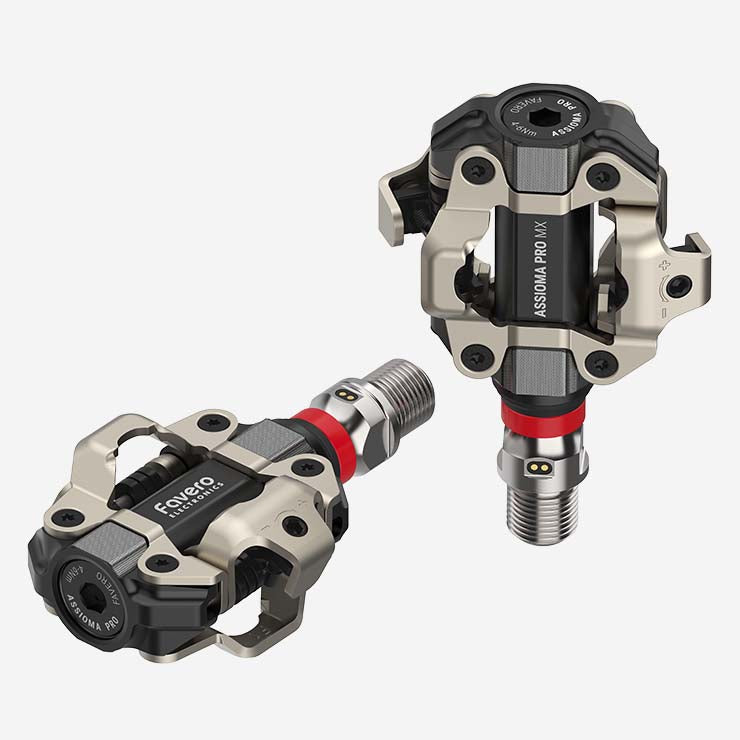
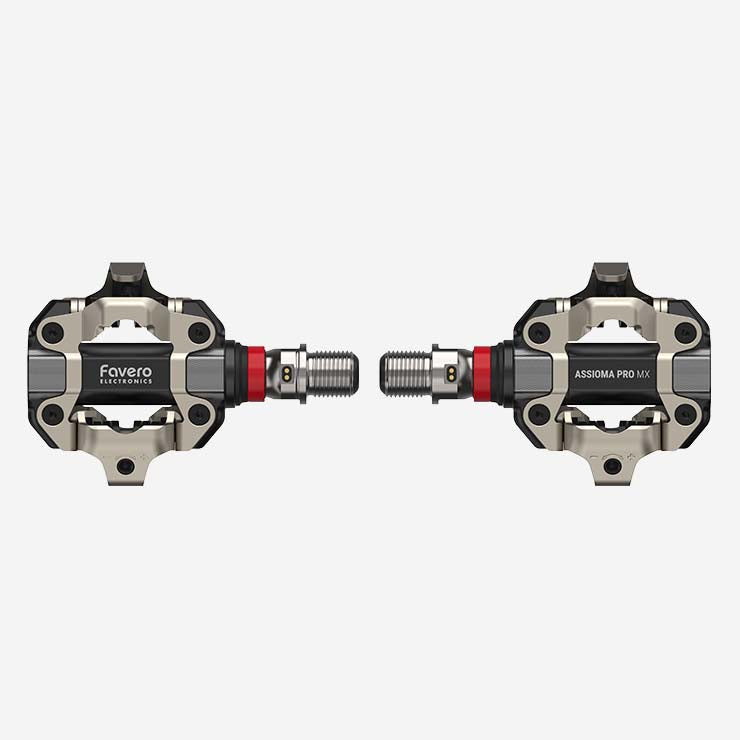
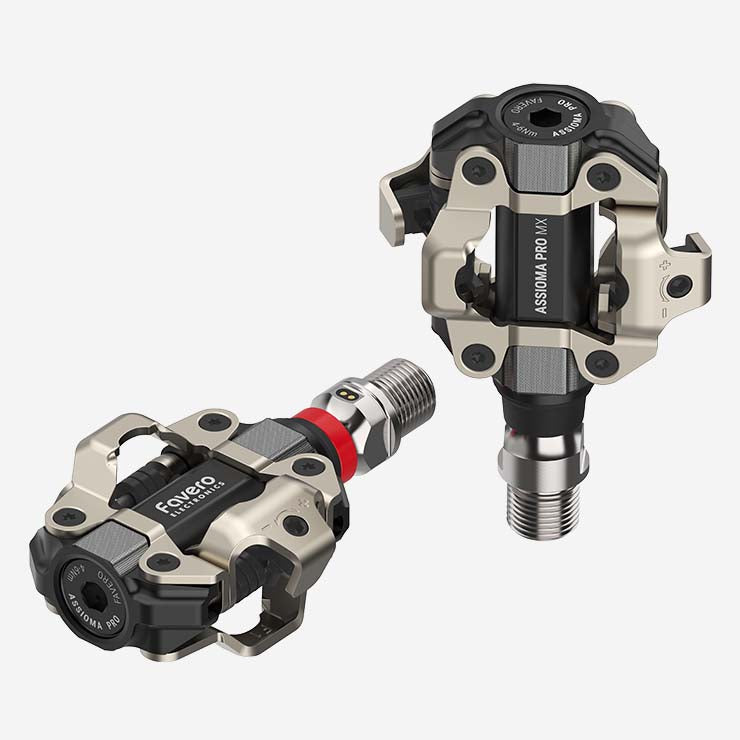
For many cyclists, power meter pedals are the easiest way to start measuring power because they install just like normal pedals. There is no need to change cranksets, dismantle the drivetrain or worry about compatibility with specific frames.
Another major advantage is portability. If you own multiple bikes, the same power meter can be moved easily from one bike to another.
Many riders are surprised by how simple the system actually is in practice. Install the pedals, pair them with your bike computer and start riding. From that point onward the data is recorded automatically.
When the system is simple to use, it actually gets used.
Dual-sided measurement adds another layer of insight
When power is measured directly from the pedals, it can also reveal how much force each leg produces individually.
Many cyclists have some degree of imbalance between the right and left side. The reason can be an old injury, mobility restrictions, neuromuscular differences or simply long-term movement habits.
Without measurement this usually remains just a vague feeling. With dual-sided power data you can actually see the difference.
This information can be valuable not only for training but also for rehabilitation.
If one leg has been injured in the past or if you want to monitor how balanced your power production is, dual-sided measurement provides useful insight. It does not solve problems on its own, but it makes them visible.
A power meter does not make cycling too serious
Some riders worry that using a power meter will remove the joy from cycling. In practice, many people experience the opposite.
When training load becomes clearer, riding often feels more relaxed. Easy days can stay easy without accidentally drifting too hard. Hard workouts can be executed with confidence because you immediately see whether the effort is in the right zone.
Numbers do not remove the feeling of riding.
They remove uncertainty.
In the end, the question is not about data
If you ride only occasionally without much interest in improving performance, a power meter is not essential.
But if you ride several times per week and want to use your training time as efficiently as possible, a power meter is one of the most useful tools you can add to your bike.
And if you want the most practical way to start, pedal-based power meters are often the best option.
They are easy to install, easy to move between bikes and with dual-sided measurement they provide data that can be useful for both training and rehabilitation.
In the end the biggest advantage of a power meter is very simple.
It makes training clearer.
When training becomes clearer, improvement becomes more likely. And when improvement becomes visible, motivation tends to follow.
👉Check out suitable power meter pedals in Toni’s online store to enhance your training.